Kingston council rules for funeral flowers memorials and permits
Posted on 17/09/2026
Kingston council rules for funeral flowers memorials and permits: a practical guide for families, florists, and organisers
Planning a funeral is never just admin. It is grief, timing, family opinions, transport, and a thousand small decisions that arrive all at once. If you are trying to understand Kingston council rules for funeral flowers memorials and permits, you are probably looking for one thing above all: clear, respectful guidance that helps you do the right thing without adding stress.
This guide explains how funeral flowers, temporary memorials, and any permits or permissions are typically handled in Kingston. It also shows how to avoid awkward delays, what to ask before placing flowers or tributes, and how to keep everything tidy, compliant, and considerate. If you want to choose the right tribute, arrange delivery smoothly, or simply make sure nothing is removed unexpectedly, you are in the right place.
Why Kingston council rules for funeral flowers memorials and permits Matters
Funeral flowers do more than decorate a service. They carry messages, mark relationships, and give people a tangible way to show respect. A wreath on a grave, a spray at a chapel, or a simple posy left at a memorial site can matter deeply to a family. But public spaces are shared spaces, and that is where council rules come in.
In Kingston, as in many parts of the UK, the practical issue is usually not whether flowers are allowed in principle. It is about where they can be placed, how long they can remain, whether a memorial item needs permission, and who is responsible for removing it if needed. That sounds dry, I know, but it stops avoidable upset later.
A small example: a family might leave a cluster of tributes near a gateway or path after the service, only to find them moved or cleared a few days later because the location was never approved for permanent memorials. One quick check before the day can prevent that rather painful moment.
It also matters for funeral directors, florists, and cemeteries. A florist preparing funeral flowers in Kingston needs to know if a tribute should be designed for a chapel service, cemetery placement, or home delivery. If the tribute is part of a wider arrangement, timing and format can be just as important as the flowers themselves.
Expert takeaway: the safest approach is to treat flowers as a temporary tribute unless you have clear permission for anything longer lasting. If a memorial is intended to stay put, get confirmation first. Simple rule. Less heartache.
How Kingston council rules for funeral flowers memorials and permits Works
The way these rules work is usually a mix of location-specific guidance, cemetery or crematorium policies, and general expectations about public space use. That means there is rarely one single universal answer. Instead, you need to ask: Where will the tribute go? and how long is it meant to stay there?
Here is the practical breakdown.
1. Funeral flowers at a service venue
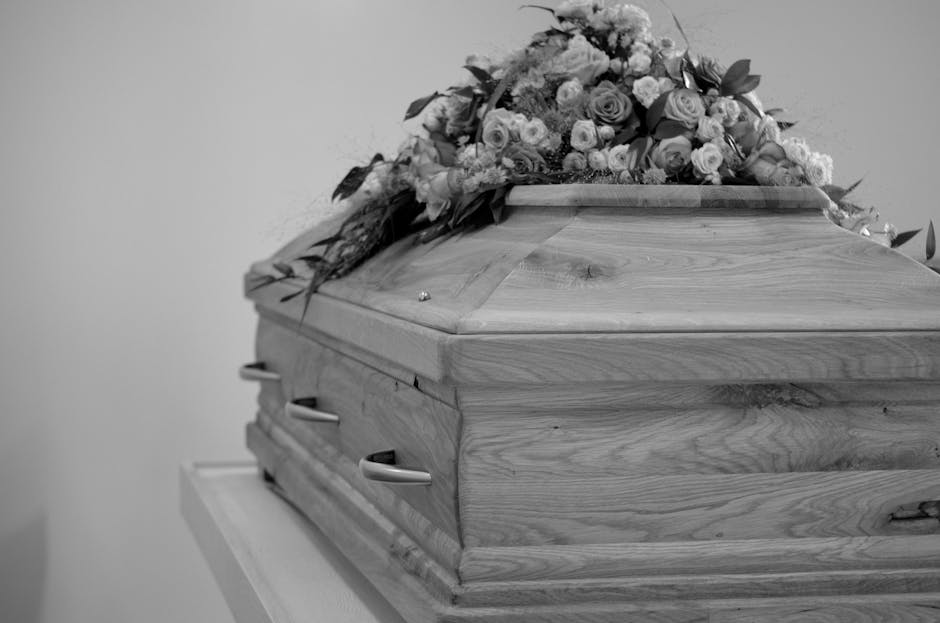
Flowers for a funeral service are usually the easiest part. If the service is at a church, chapel, crematorium, funeral home, or private venue, the venue normally has its own rules on size, placement, and timing. Large sprays, coffin tributes, and floral letters are often accepted, but they may need to be delivered within a short window before the service.
For families arranging delivery, it helps to use a florist that understands local timing and handling. Services such as flower delivery in Kingston or same-day flower delivery in Kingston can be useful when arrangements are needed quickly, though you still need to confirm the service time and exact address.
2. Memorial flowers in cemeteries or burial grounds
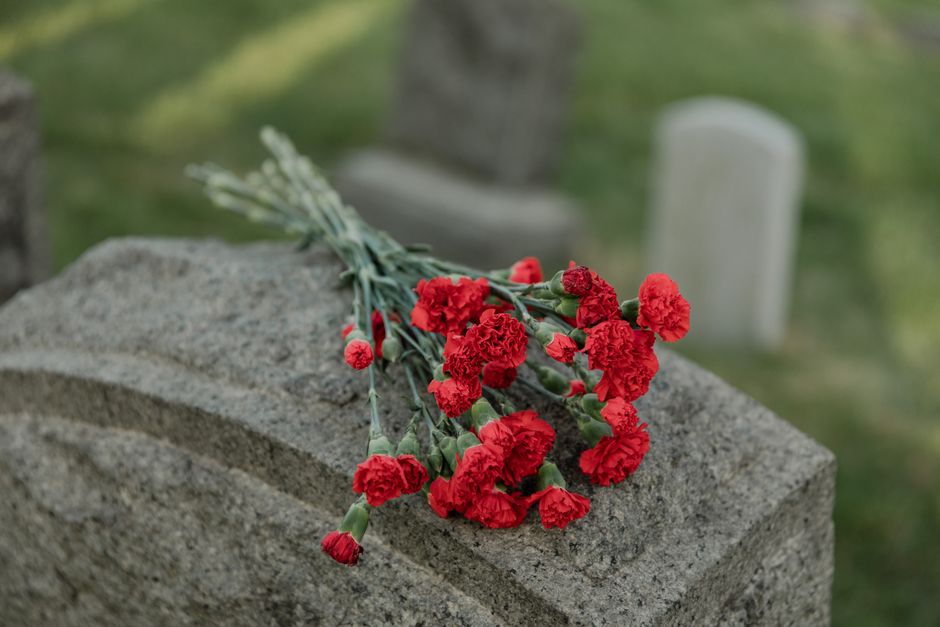
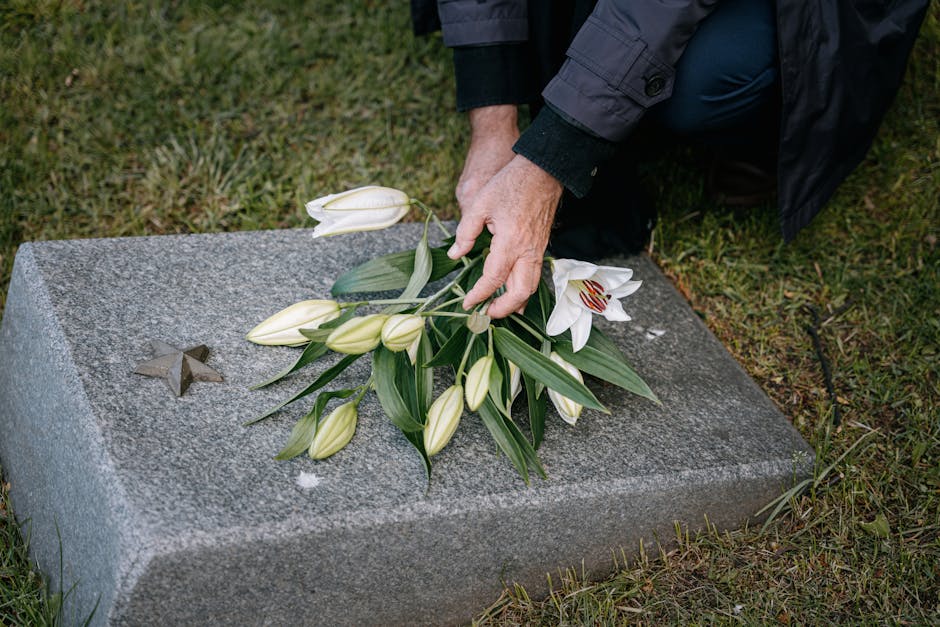
Flowers placed on graves or around memorial plots are often allowed, but there may be limits on containers, fixtures, and seasonal clearance. Councils or cemetery managers may ask that items do not block access, interfere with maintenance, or create litter hazards.
Permanent items are where permission becomes more important. A framed photograph, solar light, plaque, stone ornament, or planted border may fall into a different category from a simple bouquet. If it changes the grave space permanently or semi-permanently, ask first. That is the key distinction.
3. Temporary memorials in public places
Roadside memorials, park memorials, or tributes left on verges and railings are more likely to trigger rules or removal. Councils often have to balance public safety, access, maintenance, and dignity. A memorial that looks harmless can still obstruct a pavement, distract drivers, or create trip hazards. A candle in the wrong place? That can become a safety issue very quickly.
4. Permits and permissions
The word "permit" can mean different things depending on the site. It may refer to a cemetery permit, approval for a memorial item, authorisation for a plaque, or written permission for a tribute to remain beyond the funeral period. In some cases, the organiser is given a verbal okay by venue staff, but written confirmation is safer if the item is not temporary.
Where a council-managed site is involved, the permission may be linked to the site's own regulations rather than a general public permit. So do not rely on assumptions. Ask the venue, cemetery office, or bereavement team what is allowed and what must be removed after the service.
Key Benefits and Practical Advantages
Getting this right is not just about compliance. It makes the whole day smoother, and when emotions are high, smooth is a blessing.
- Less risk of removal: approved memorials are less likely to be taken away during site maintenance or routine checks.
- Better respect for the deceased: a carefully placed tribute feels more considered than one left in an unsuitable spot.
- Safer arrangements: no blocked paths, loose stands, or hazardous materials near public access areas.
- Cleaner presentation: funeral flowers look more dignified when they are placed where they can be seen and cared for properly.
- Less family conflict: clear guidance prevents the "I thought it was allowed" conversation nobody wants.
- Better florist planning: the florist can choose the right mechanics, sizes, and delivery timing.
There is also a financial benefit, though it is less obvious. If a tribute is rejected or removed because it was not permitted, you may have to replace or modify it. That means extra cost at the worst possible time. A five-minute check can save a lot of faff.
Who This Is For and When It Makes Sense
This guidance is useful for anyone involved in funeral arrangements in Kingston, but different readers need different parts of it.
- Families arranging a funeral: if you want flowers, a wreath, a coffin spray, or a memorial left after the service.
- Funeral directors: to coordinate timing, venue access, and tribute placement.
- Florists: to choose suitable designs, sizes, and delivery schedules.
- Cemetery visitors: if you plan to leave remembrance flowers or a small tribute at a grave.
- Anyone creating a memorial display: especially if it is in a public or council-managed area.
It makes sense to check the rules early if the tribute is anything beyond a standard bouquet. That includes floral letters, funeral hearts, standing tributes, ribbon-mounted messages, larger wreaths, or items with added keepsakes. The more elaborate the tribute, the more likely it is to need practical approval.
People often ask this question during stressful moments: Can't we just leave the flowers there and sort it out later? Sometimes yes, but sometimes later becomes a problem. Better to plan calmly if you can.
Step-by-Step Guidance
Step 1: Identify the exact location
Start with the destination. Is the tribute going to a funeral venue, cemetery, churchyard, crematorium, private home, or public memorial site? Each one may have different expectations. Do not assume a cemetery and a public park are treated the same way. They are not.
Step 2: Ask what is allowed
Speak to the site manager, funeral director, or bereavement contact and ask specifically about:
- temporary flower tributes
- permanent or semi-permanent memorials
- floral letters, hearts, or shapes
- stands, bases, or containers
- candles, lights, or added keepsakes
- how long tributes can remain in place
Be precise. "Are flowers allowed?" is too broad. "Can a wreath remain on a grave for two weeks?" is much better.
Step 3: Confirm any permit or written permission
If the tribute is likely to remain after the service, ask for written approval where possible. Even a short email is useful. That gives you a record of what was agreed, who approved it, and whether any conditions apply.
Step 4: Choose the right tribute style
A simple arrangement may be suitable where a large memorial would not be. In practice, this often means selecting a wreath, posy, spray, cushion, heart, cross, or basket based on the venue and the family's wishes. For example, a traditional wreath can work beautifully in a cemetery, while a tribute letter may be more appropriate for a formal chapel service.
If you need inspiration, the dedicated funeral collection and sympathy options such as sympathy flowers can help you narrow the choice without overcomplicating things. Sometimes the simplest design is the one that lands best.
Step 5: Arrange delivery and timing
Funeral flowers need punctual delivery. Not tomorrow morning "sometime", but a proper window that matches the venue schedule. If the tribute is going to a service with limited access, note the entry point, contact person, and any restrictions on unloading.
Many families also like to send supporting flowers to the home afterwards. In that case, a service like send flowers in Kingston can be a simple way to extend sympathy beyond the ceremony itself.
Step 6: Plan removal or ongoing care
If the tribute is temporary, decide who will collect it and when. If it is permanent or intended to remain, ask who maintains the space and whether the item must meet site conditions. A tribute that looks lovely on the day can still be unsuitable a week later if it blocks maintenance or suffers weather damage.
Expert Tips for Better Results
These are the little things that usually make the biggest difference.
- Keep the message legible: if the ribbon wording matters, make sure it is short enough to read clearly in the venue lighting.
- Use sturdy mechanics: foam, trays, and bases should suit the location, especially outdoors where wind and rain will do their thing.
- Match the tone to the family: not every tribute needs to be formal. Some families want traditional white lilies; others prefer softer seasonal blooms.
- Ask about access early: a side gate, narrow path, or step can affect delivery more than you might expect.
- Think about weather: a bright morning can turn into a damp afternoon. Outdoor tributes need a bit of resilience.
- Keep spares of ribbon text: if the wording is delicate or long, have a backup plan in case the first version does not fit neatly.
Truth be told, the best funeral tributes are usually the ones that feel calm and deliberate rather than oversized. Quiet can be powerful. There is a reason so many families choose classic white arrangements, lilies, roses, chrysanthemums, and simple wreaths.
If sustainability matters to the family, it is worth asking for designs with less single-use material where possible. You can also browse the site's sustainability page for a sense of the florist's broader approach to sourcing and packaging.
Common Mistakes to Avoid
A lot of trouble starts with a few harmless assumptions. These are the common ones.
- Assuming all memorials are allowed: a place that accepts flowers may still prohibit permanent items.
- Not checking the collection or disposal window: tributes can be cleared when maintenance starts, even if they still look fresh.
- Choosing the wrong size: a large piece can feel intrusive in a small chapel or grave area.
- Forgetting to name the recipient or plot: one missing detail can delay delivery.
- Leaving candles or loose objects in unsuitable places: weather, children, and foot traffic are not a great mix.
- Using a public space without permission: roadside memorials are especially sensitive.
Another mistake, and it happens more often than you would think, is ordering the flowers before confirming the venue rules. Gorgeous flowers. Wrong format. That is an avoidable headache, and nobody needs one of those on the day.
Tools, Resources and Recommendations
You do not need complicated tools, just a few practical items and good communication.
- Service schedule: keep the date, time, and location in one place.
- Site contact details: funeral director, cemetery office, church administrator, or venue manager.
- Delivery note: include plot numbers, entrance instructions, and any reference names.
- Photo reference: useful when a family wants a tribute in a particular style or colour palette.
- Backup plan: a smaller alternative tribute if a large memorial is not approved.
For readers comparing tribute styles, the following pages are particularly useful:
- wreaths for traditional remembrance
- sprays for chapel, coffin, or casket arrangements
- tributes for lettered or shaped memorials
- letter tributes where initials or names are part of the design
- baskets and posies for a softer, smaller option
Sometimes families need a little practical help as well as the flowers themselves. If that is your situation, the site's about us and contact us pages can help you understand who you are dealing with and how to ask the right questions.
Law, Compliance, Standards, or Best Practice
This topic sits close to local rules, site policies, and general public safety expectations. That means you should be cautious about treating any public-space tribute as automatically permitted. In the UK, memorials in council-managed areas are commonly governed by site-specific rules, and those rules may cover placement, duration, materials, access, and maintenance. The exact position in Kingston depends on the location and the managing authority.
The safest best-practice approach is straightforward:
- seek permission before leaving anything intended to stay
- follow any cemetery or venue instructions exactly
- avoid blocking pathways, gates, or maintenance access
- remove temporary items when asked
- use materials that are safe in wind, rain, and foot traffic
For florists and families, this is less about legal drama and more about respect, safety, and common sense. If a place says "temporary flowers only", treat that seriously. If a manager says no glass, no candles, or no stakes, follow that instruction. It is much easier to adjust the arrangement than to argue with a site policy after the fact.
The same applies to wording and symbolism. If a tribute is being created for a cultural or religious setting, check any specific expectations about colour, form, or placement. A small conversation at the start can avoid an awkward mismatch later.
Options, Methods, or Comparison Table
When people think about funeral flowers and memorials, they often imagine one standard choice. In reality, there are a few common options, and the right one depends on the venue, the family, and how long the tribute should remain.
| Option | Best for | Typical permission need | Practical notes |
|---|---|---|---|
| Fresh bouquet | Home sympathy, simple remembrance, service handover | Usually low | Easy to deliver and move, but not always suitable for long-term outdoor use. |
| Wreath | Cemeteries, funerals, traditional memorials | Low to medium | Classic choice; may be temporary or placed at a grave depending on site rules. |
| Spray | Coffin, casket, or service display | Usually low | Designed for formal presentation; often coordinated by the funeral director. |
| Letter tribute | Name or initials, larger family tribute | Often medium | May need more space and clearer venue approval. |
| Heart or cross tribute | Personal memorials, faith-based tributes, close family remembrance | Often medium | Beautiful, but size and placement matter more than with smaller items. |
| Permanent memorial item | Long-term grave remembrance | High | Always check the site rules first; these are the items most likely to be restricted. |
If you want a more traditional funeral look, white and soft pastel designs are often chosen. If the family prefers something more personal, flower colours can reflect the person's character. For example, a mixed tribute can feel warm and alive, while a white tribute feels quieter and more formal. Neither is "right" in the abstract. It depends on the person you are honouring.
Case Study or Real-World Example
Here is a realistic example based on the kinds of arrangements families often make in Kingston.
A family planned a chapel service for a much-loved grandfather and wanted two things: a coffin spray for the service and a small memorial arrangement to remain at the grave afterwards. They assumed the memorial piece could simply stay in place indefinitely. Before ordering, they checked with the cemetery office and learned that temporary flowers were fine, but any lasting item needed approval.
That changed the plan. Instead of a fixed ornament, they chose a neat wreath that could remain for a limited period, plus a second sympathy arrangement for the home. The florist delivered both on time, the family got the tribute they wanted, and there was no need to return later and remove anything under pressure. A small adjustment, but a big relief.
The practical lesson is simple: the right floral design is only half the job. The other half is knowing where it can go and how long it can stay.
Practical Checklist
Use this before placing any funeral flowers or memorial tribute in Kingston.
- Confirm the exact venue or site
- Check whether the tribute is temporary or intended to stay
- Ask if any permit, written approval, or site form is required
- Confirm delivery date, time, and access instructions
- Verify the recipient name, plot number, or memorial reference
- Ask whether there are size, material, or candle restrictions
- Make sure the tribute will not block paths, gates, or maintenance access
- Decide who will collect or remove the item if needed
- Choose a design that suits the setting
- Keep a record of any approval given
Quick rule of thumb: if you are unsure whether something needs permission, assume it does until you have checked. That one habit prevents most problems.
Conclusion
Kingston council rules for funeral flowers memorials and permits are really about balance: honouring someone properly while respecting the space where the tribute is placed. Once you understand the difference between temporary flowers and longer-lasting memorials, the whole process becomes much easier to manage.
For families, the safest path is to confirm the location, ask about permissions, and choose a tribute that fits the setting. For florists and organisers, the winning formula is simple too: clear timing, clear instructions, and a respectful design. Nothing fancy. Just careful work done well.
And if things feel overwhelming, that is normal. Funerals are rarely tidy, emotionally speaking. But with the right guidance, you can make thoughtful choices that feel calm, dignified, and properly cared for.
Get a free quote today and see how much you can save.
Frequently Asked Questions
Are funeral flowers always allowed in Kingston council areas?
Usually yes for temporary tributes, but not always for permanent or semi-permanent memorial items. The exact rule depends on the specific site, such as a cemetery, crematorium, churchyard, or public space. Check before leaving anything intended to stay.
Do I need a permit for memorial flowers?
Not necessarily for a normal funeral bouquet or wreath. A permit or written approval is more likely if the memorial is intended to remain for a long period or if it changes the appearance of the site. Think of it as site permission rather than a one-size-fits-all permit.
How long can funeral flowers usually stay at a grave?
That depends on the cemetery or burial ground rules. Some places allow flowers for a short period after the service, while others have seasonal clearance or maintenance schedules. Always confirm the expected timeframe with the site manager.
Can I leave candles or lanterns with a memorial tribute?
Sometimes, but many sites restrict them because of fire safety or weather concerns. If the tribute is outdoors or in a public area, it is especially important to ask first. Glass and open flames are often the first things to be questioned.
What is the best type of funeral flower arrangement for a council-managed site?
Simple, well-secured arrangements are usually safest. Wreaths, sprays, and compact baskets tend to be easier to place than large or fragile pieces. If in doubt, choose something sturdy and respectful rather than oversized.
Can a florist deliver directly to a cemetery or crematorium in Kingston?
Often yes, provided the delivery instructions are clear and the site accepts direct floral deliveries. You should include the service time, plot or chapel details, and any access instructions. That saves everyone a lot of back-and-forth.
What happens if I leave a memorial item without permission?
It may be moved, removed, or cleared during routine maintenance, depending on the site rules. In some cases, the item may be treated as temporary rubbish if it is left in an unsuitable place. It is better to check first than to rely on goodwill later.
Are flower letters and heart tributes more likely to need approval?
Yes, because they are larger and more structured than a basic bouquet. They can take up more space and may not suit every venue. If the design is substantial, written approval is a smart move.
Can I order sympathy flowers for delivery after the funeral?
Absolutely. Many people send flowers to the home or to family members after the service as a quiet follow-up gesture. It is a kind way to show support once the formal day has passed.
What should I ask the council, cemetery office, or venue before ordering?
Ask whether flowers are allowed, how long they can remain, whether any permanent memorial item needs approval, and whether there are restrictions on size, materials, or placement. If you ask those four things, you cover most of the important ground.
Is it better to choose a wreath or a spray for a funeral?
It depends on the setting. Wreaths are versatile and traditional, while sprays are often used for coffin or casket presentation. If you are unsure, your florist or funeral director can help match the style to the service.
Where can I find suitable funeral flower options for Kingston?
You can explore dedicated tribute ranges such as funeral flowers, sprays, wreaths, and tributes. Those categories make it easier to choose something appropriate for the venue and the family's wishes.
What is the simplest way to avoid problems with memorial flowers?
Confirm the location, ask whether the tribute is temporary or long-term, and get permission in writing if it is going to remain. Honestly, that one habit solves most of the usual headaches. Quietly effective, which is exactly what you want at a time like this.